One of the most common plant parent worries is seeing leaves turn yellow. Don’t panic—it doesn’t always mean your plant is dying. In fact, yellowing leaves can be your plant’s way of sending you a message. By understanding the cause of plant leaves turning yellow, you can take simple steps to bring your plant back to health.
The number one cause of yellow leaves is giving your plant too much water. When roots sit in soggy soil, they can’t breathe, leading to stress and root rot.
Fix: Always check the soil before watering. Stick your finger in about 2–3 cm deep—if it still feels moist, wait a few days. Use pots with drainage holes so excess water can escape.
Plants need light to make energy. Without enough of it, leaves often turn pale or yellow as the plant struggles to grow.
Fix: Move your plant closer to a window with bright, indirect sunlight. For low-light homes, choose varieties that thrive in shade, such as snake plants or ZZ plants.
Just like people, plants need nutrients to stay healthy. A lack of nitrogen, iron, or magnesium can cause leaves to yellow.
Fix: Use a balanced liquid fertilizer every few weeks during the growing season (spring and summer). Fresh potting soil also helps refresh nutrients.
Tiny insects like spider mites, aphids, or scale can damage leaves and cause discoloration. Fungal issues can also lead to yellow spots.
Fix: Inspect your plant closely. Wipe leaves with a damp cloth and use a gentle insecticidal soap if needed. Keep your plants dust-free and avoid overcrowding them to reduce pests and disease.
Sometimes, yellow leaves are perfectly normal. As plants grow, older leaves at the bottom naturally fade and fall off.
Fix: If only one or two older leaves are yellowing while new growth looks healthy, don’t worry. Simply trim off the yellow leaves and let your plant focus energy on fresh growth.
Yellow leaves are part of every plant parent’s journey. The key is learning what your plant is telling you and making small adjustments. If you’re just starting out, choosing forgiving plants makes the process much easier.
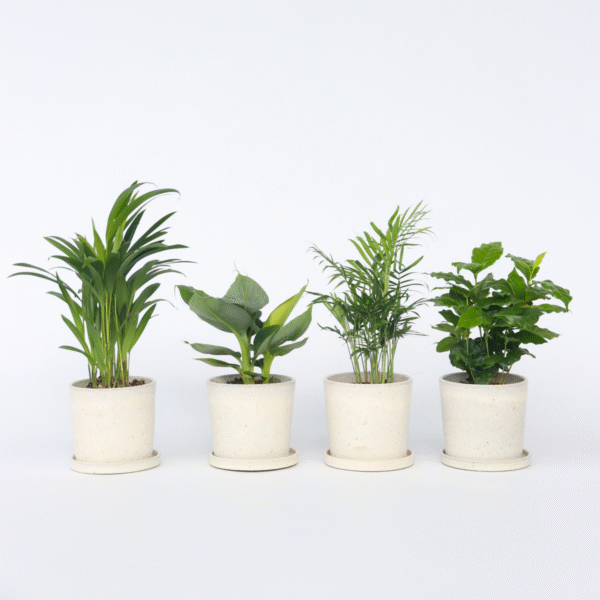
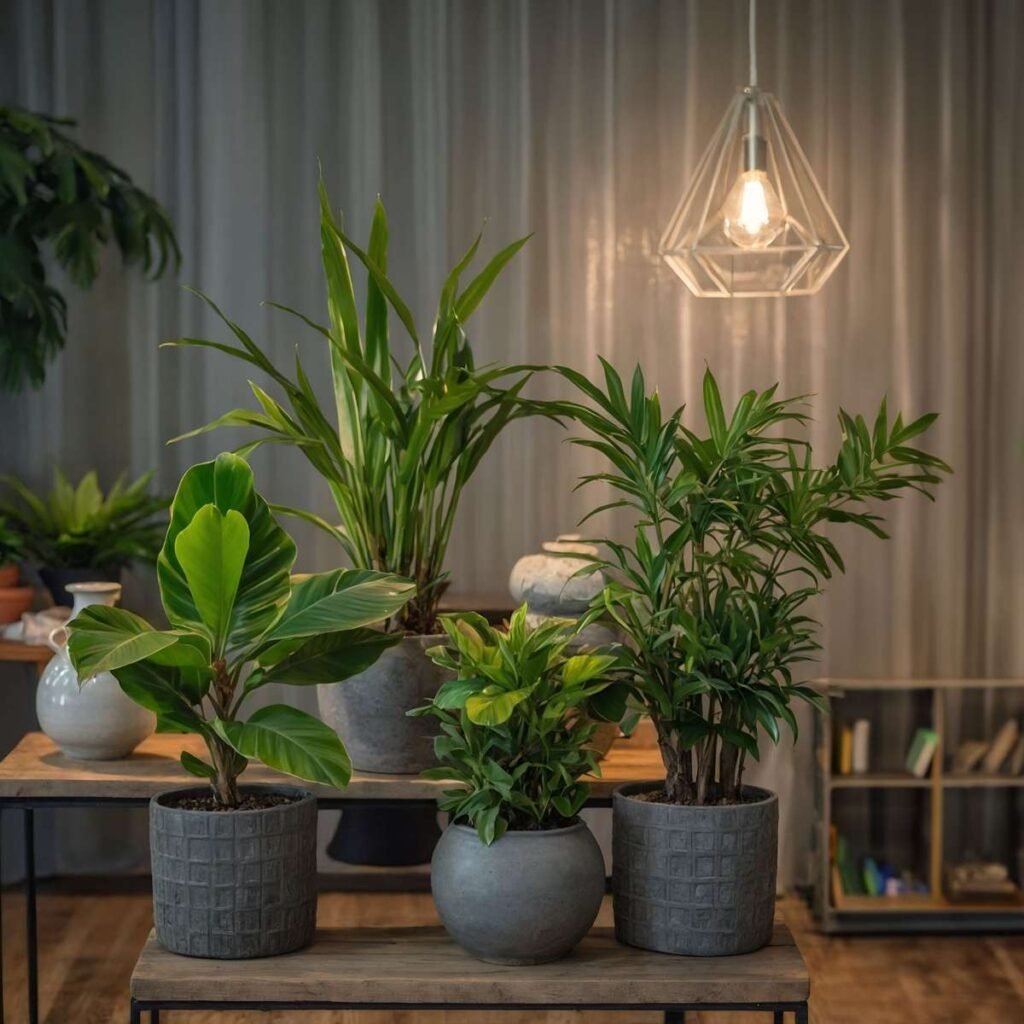
Our Easy Care Mix is a perfect way to build confidence as a beginner. This set includes four hardy and beautiful houseplants—Ctenanthe Burle-Marxii, Chamaedorea Elegance, Clusia Rosea ‘Princess’, and Sansevieria—all chosen for their resilience and minimal watering needs.
These plants thrive in most indoor conditions, making them ideal for busy plant parents or anyone who doesn’t want to stress about care routines. Just place them in a bright, indirect light spot, check the soil occasionally, and enjoy their lush, green beauty. With heights of 25–40 cm and delivered in ⌀12 cm nursery pots, they’re ready to bring a calming, natural vibe to your living room, office, or hallway.
Whether you’re new to plants or simply want greenery that looks after itself, the Easy Care Mix makes it simple to create your own indoor jungle.
Instead of buying single plants, the Easy Care Mix gives you a ready-made collection designed for success:
It’s the simplest way to start your plant journey with confidence—and enjoy a healthier, greener home from day one.
1. Should I cut off yellow leaves?
Yes, it’s usually best to remove yellow leaves. They won’t turn green again, and trimming them helps your plant redirect energy to healthy new growth.
2. Can yellow leaves turn green again?
Unfortunately, once a leaf turns yellow, it can’t return to green. Focus instead on correcting the cause so new growth stays healthy.
3. Why are the bottom leaves turning yellow but the top look fine?
This often means your plant is shedding old leaves naturally. As long as the new growth at the top looks strong, your plant is perfectly healthy.
4. How do I know if overwatering is causing yellow leaves?
If the soil feels constantly wet, the pot has no drainage, or you notice mushy roots, overwatering is likely the cause of plant leaves turning yellow.
5. What’s the easiest way to avoid yellowing leaves?
Stick to a simple care routine: water only when the soil is dry, give your plant the right amount of light, and occasionally refresh the soil with nutrients. Choosing easy-care plants is also a great start.
We’re helping you grow a greener, happier home with healthy plants you’ll love.