Watering plants may sound simple, but for beginners it’s often the trickiest part of plant care. Too much water, and roots can rot; too little, and leaves dry out. However, once you understand how different plants use water, you can create a routine that keeps your indoor garden thriving. In other words, with a few easy tips, you’ll learn how to water with confidence.
Unlike outdoor plants that benefit from natural rainfall, indoor plants rely entirely on you for every drop of moisture. As a result, beginners often stick to a rigid schedule, which may lead to overwatering. On the other hand, some plant owners forget to water entirely, leaving their plants stressed and dehydrated. Therefore, understanding your plant’s individual needs is the first step toward success with watering plants.
Learning to read your plant’s signals makes watering much easier. For example:
If you notice these signs, adjust your watering routine accordingly. In addition, always check the soil before reaching for the watering can. As a rule of thumb, water only when the top 2–3 cm of soil feels dry.
Not all plants handle water the same way. In fact, some are like little reservoirs, while others need a steady supply.
By understanding how your plant stores water, you’ll remove much of the guesswork and make watering plants a smoother process.
While every home environment is slightly different, you can use this simple guide as a starting point:
For best results, stick your finger into the soil about 2–3 cm deep. If it feels dry, it’s time to water. In addition, remember that seasonal changes matter: plants usually need more water in spring and summer, but less in autumn and winter.
Watering plants can feel less stressful when you use the right tools. For example:
In addition, these tools prevent overwatering and save you from common mistakes. As a result, your plants will grow healthier and stronger.
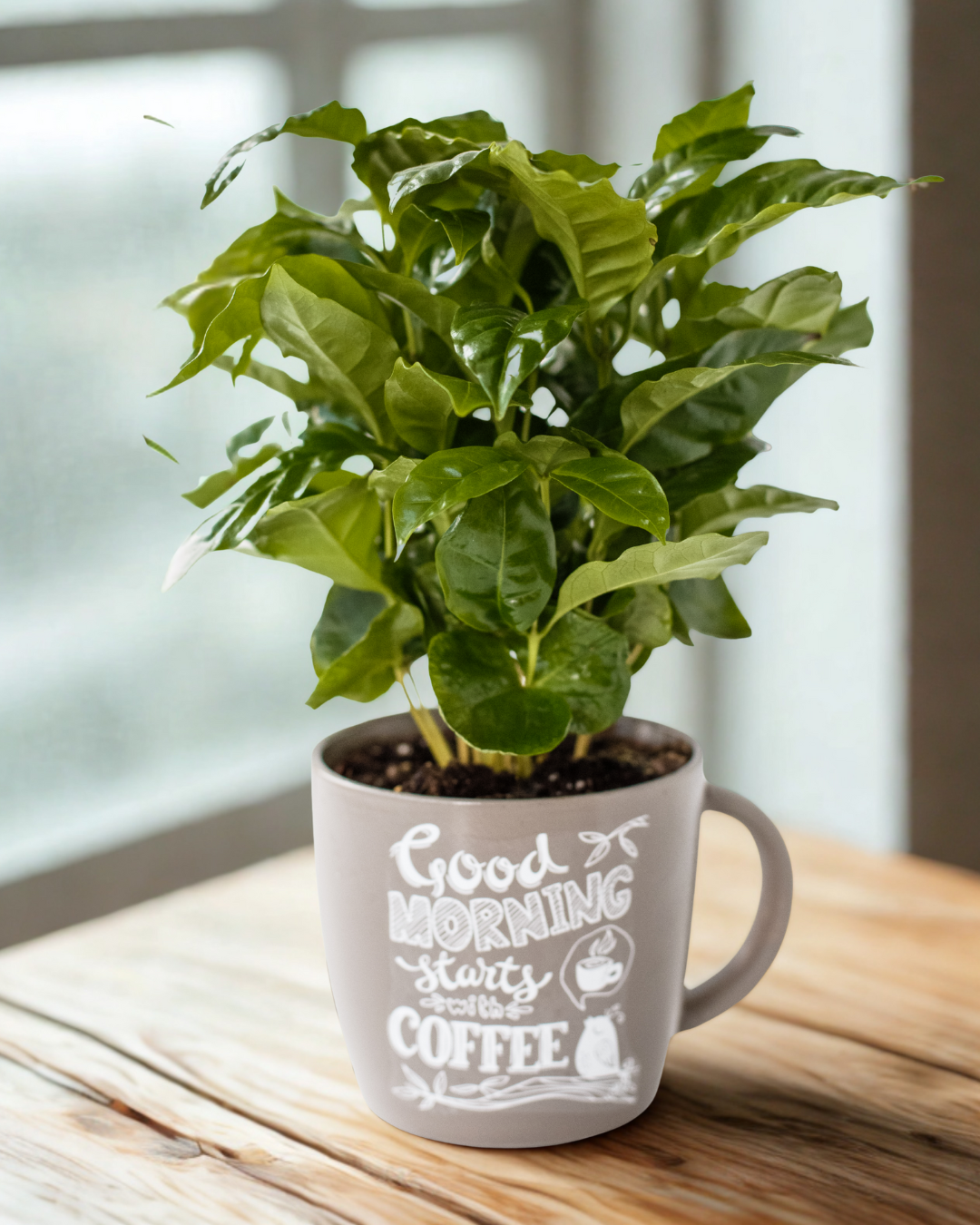
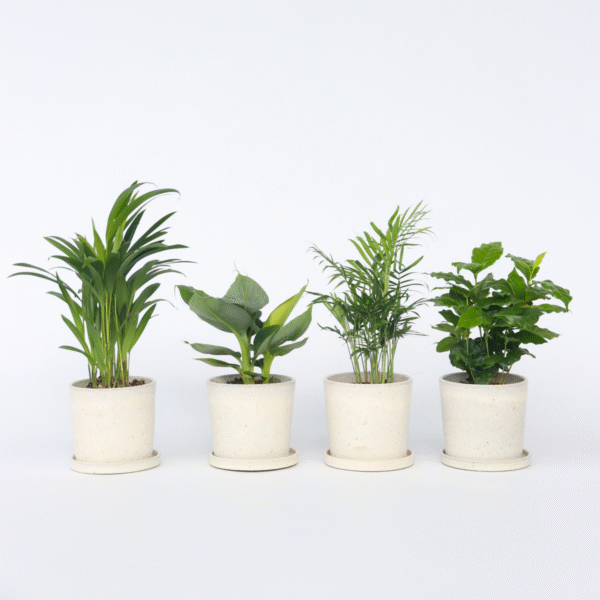
If you’re new to watering plants, it helps to start with varieties that don’t demand constant attention. That’s why our Budget Mix is perfect for beginners.
This compact set includes four easy-care houseplants that brighten your space and purify the air:
Each plant is slow-growing, resilient, and ideal for busy households or office desks. With heights of 25–40 cm and a compact ⌀12 cm pot size, this mix gives you a ready-to-go indoor garden without the stress of complicated care routines.
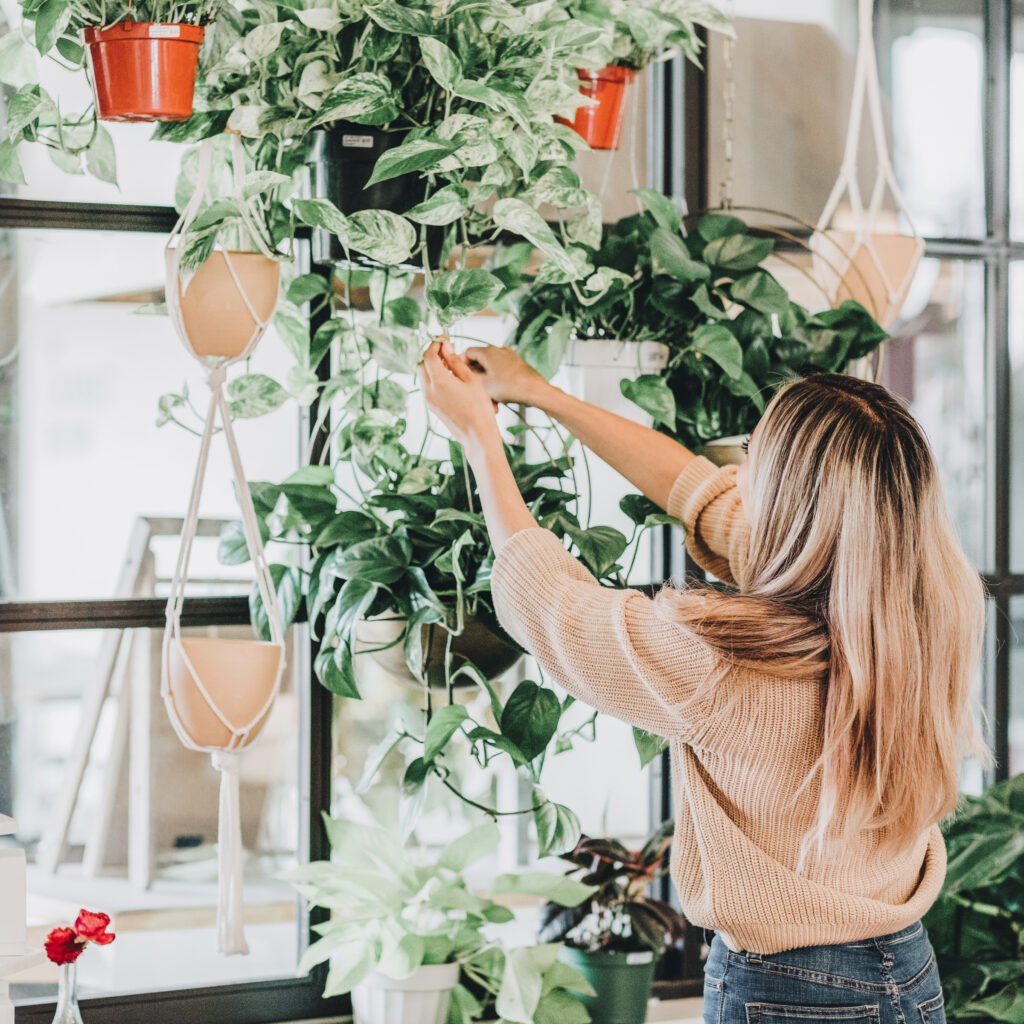
We’re helping you grow a greener, happier home with healthy plants you’ll love.